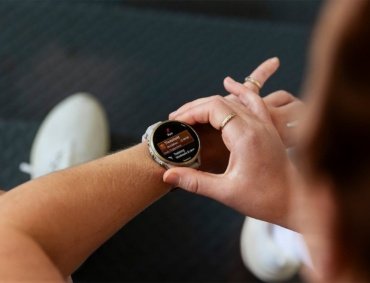
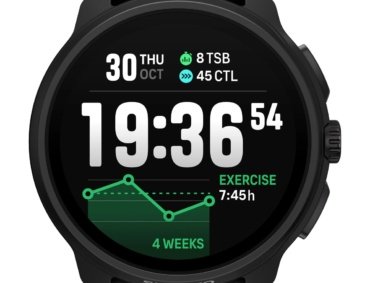
Yes. The Suunto Race 2 is a capable ultrarunning watch for runners who value navigation and tracking over smartwatch extras. Reviewers report 48 to 54 hours of GPS use against Suunto’s 55-hour claim, alongside reliable GPS, elevation and wrist heart-rate readings. Its 49 mm case may feel large.
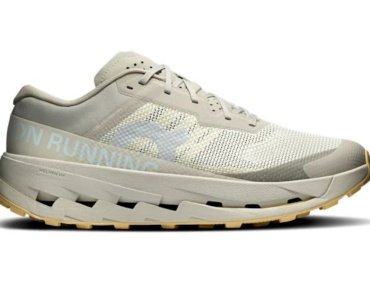
Mostly. The On Cloudultra 3 is a comfortable, stable option for ultrarunning on gravel, packed dirt and easier trails, with cushioning suited to long training days. Its 3 mm lugs can be limiting on steep, technical ground, and the ride has limited bounce, so it is better for comfort-led mixed-surface ultras than fast technical racing.
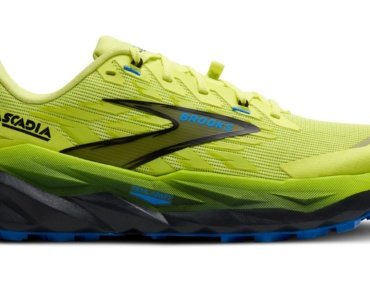
Mostly. The Brooks Cascadia 19 is a stable, cushioned option for ultra training and long days on mixed trails, with a 35 mm stated heel stack, smooth ride and dependable grip. Its stated 10.5 oz weight is noticeable, and the flexible plate and less pronounced lugs are less suited to highly technical terrain.
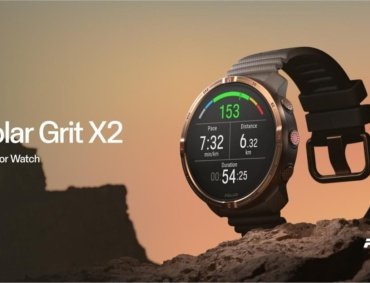
Mostly: the Polar Grit X2 is a capable ultrarunning watch for trail outings that fit within its 30-hour training battery. Reviewers praise its GPS, heart-rate tracking and mapping, while its lighter build and lower listed price appeal against the Pro. For longer, self-supported ultras, battery limits and power management deserve careful consideration.
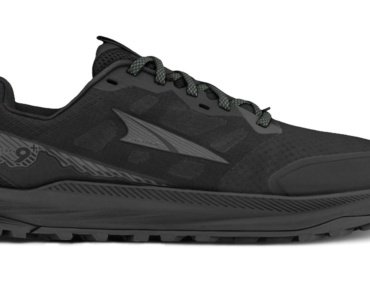
Mostly, the Altra Lone Peak 9+ can work for ultrarunning if you value grip, a roomy toe box and a flexible, natural-feeling ride. Its 25 mm zero-drop platform and Vibram Megagrip outsole suit varied trails, but limited underfoot protection may make long, rocky ultras uncomfortable. It is less suited to runners wanting substantial cushioning.
Mostly. The Garmin Forerunner 970 is well suited to data-led ultrarunning, with accurate multi-band GPS, offline maps and detailed training metrics in a 56 g watch. Its claimed 26 hours of GPS battery life covers many races, but heavy feature use can reduce that margin, so check the expected duration of your event.
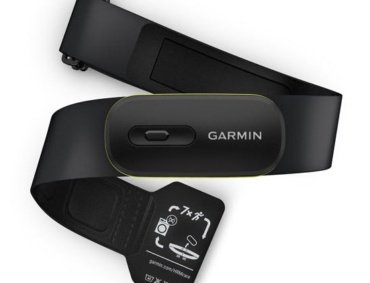
Yes. The Garmin HRM 600 is a strong ultrarunning chest strap, with accurate, consistent readings and standalone activity recording for up to 24 hours. Its washable strap and Garmin running metrics add useful flexibility, though some advanced data needs a compatible Garmin watch. The premium price and rechargeable charging setup are drawbacks.
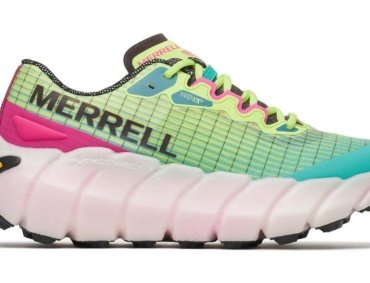
Mostly. The Merrell MTL Adapt Matryx is a capable ultrarunning shoe for long, mostly runnable trails, with a stable platform, cushioned FloatPro foam and grippy Vibram Megagrip. Its 6 mm drop and roomy forefoot suit comfort-focused distance running, but its weight and high stack make it less appealing for fast sessions or technical terrain.
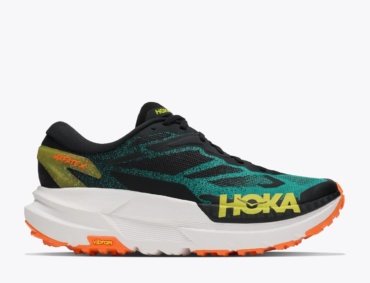
Yes, the Hoka Mafate X is a capable choice for steady ultras on gravel and smoother trails. Its 49mm heel stack and layered PEBA/EVA cushioning offer substantial protection, while Vibram Megagrip grips dry ground. At 344g for a men’s US 10, it feels cumbersome for fast climbs or technical racing.
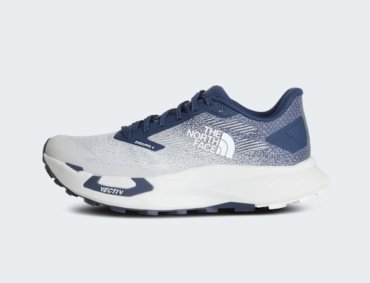
Yes, the The North Face VECTIV Enduris 4 is a cushioned, stable trail trainer suited to long runs and many ultra-training miles. Its 32mm heel, rocker and plate support a smooth ride, while 4mm lugs grip across varied conditions. It is less suited to highly technical routes or races beyond 50 kilometres.